
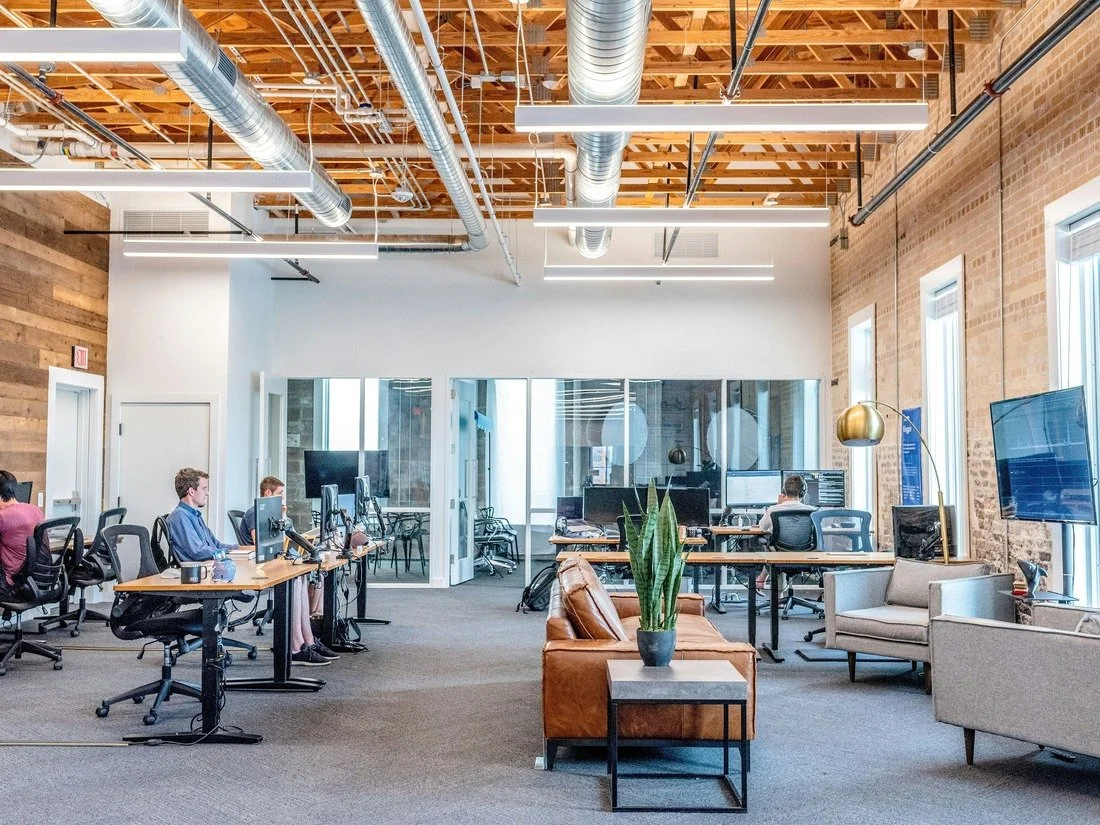
Office noise is one of the biggest hidden barriers to productivity in modern workplaces. HR teams hear it in employee surveys, and you see it firsthand when colleagues retire to a meeting room just to concentrate. Yet many organisations still treat acoustics as an afterthought. Something that only becomes visible when staff start complaining.
The good news? Office noise reduction doesn’t always require a full refurbishment. With the right strategy, a blend of smart design choices and quick win noise reduction “hacks” can transform the acoustic experience of a space and help reduce office noise. As an acoustician, Colin Rawlings has helped dramatically improve hundreds of workplaces by approaching noise with both science and practicality. Here, Colin explains where to start.
Understanding the three biggest sources of office noise
Before investing in fixes, it’s important to identify what’s actually driving disruption. Typically, workplace acoustics are affected by:
1. People noise: Conversations, phone calls, laughter and impromptu huddles. In open plan spaces, this is usually the number one complaint.
2. Building noise: HVAC hum, poorly insulated risers, lift motors and echo caused by hard surfaces.
3. Technology noise: Keyboards, printers, meeting room alerts and equipment fans. Individually small, collectively distracting.
A quick acoustic audit, informal or professional, helps prioritise what will deliver the biggest impact. Particularly around how sound behaves in open spaces.
Quick wins: 5 practical noise reduction hacks
If you need improvements fast, or want to demonstrate progress before a larger fitout, these tactics can make an immediate difference:
1. Create “Quiet Corridors”: Place focus work desks away from high traffic walkways. Even a small relocation can dramatically reduce disturbance.
2. Add soft furnishings: Upholstered seating, curtains and padded meeting booths absorb sound far more effectively than exposed timber or glass.
3. Introduce behaviour cues: Simple signage, such as “This is a Focus Zone” or “Please use headphones for calls”, can help set expectations without feeling authoritarian.
4. Provide high quality headsets: A low cost, high impact way to make hybrid meetings and phone calls less disruptive for everyone around.
These office noise reduction hacks aren’t substitutes for long term investment, but they can meaningfully improve day-to-day experience.

Smart acoustic design: Where the real impact happens
If your organisation is planning a refurbishment or reshaping its workplace strategy, integrating professional acoustic design will deliver far more robust, sustainable results.
Acoustic Panels and Ceiling Absorbers
Absorptive treatments reduce reverberation, making the space feel calmer and conversation less intrusive. Ceiling Absorbers like baffles or blades are especially powerful in large open plan floors.
Zoning and space Planning
Group loud functions (collaboration spaces, social areas) together, and locate quiet functions (focus work, HR, finance) in acoustically protected pockets. Strategic zoning is one of the most effective long-term ways to reduce office noise.
Sound Isolating Partitions & Meeting Pods
Poorly specified partitions leak sound easily. A well designed meeting room should stop confidential conversations escaping and prevent surrounding noise entering. This is a core element of managing acoustics in office spaces properly.
Floor and Ceiling Upgrades
Carpet, and high performance ceiling tiles all significantly improve sound absorption and stop sound reflecting.
Sound Masking Systems
Often misunderstood, sound masking doesn’t make rooms noisier. It introduces a gentle ambient sound, engineered to make speech less intelligible and therefore less distracting.
Why acoustics matter more than you think
Poor acoustics are more than an annoyance. They affect recruitment, retention and wellbeing, and as highlighted in in research from Cardiff University and ICBEN, lack of privacy and increased noise are common complaints in open plan offices. The same study also shows that noise exposure can diminish wellbeing and impair performance, often leading employees to adopt coping strategies such as moving away from their desks or using headphones to manage distractions.
Investing in office acoustics isn’t a “nice to have” but a direct contributor to productivity and employee experience.
If you’d like help assessing your existing office or planning a new layout, the team at Acoustics by Design specialises in practical, evidence led solutions that create workplaces people genuinely enjoy being in.

About the author
Colin Rawlings, MIoA – MD of Acoustics by Design
A qualified acoustician with over two decades of experience, Colin specialises in workplace acoustic solutions across the UK and Europe, delivering consultancy, CPDs, and seminars, making complex acoustic challenges simple for architects, designers, and businesses.